
This dhāraṇī comes from the Aparimitāyuḥ Nāma Mahāyāna Sūtra, preached in Anāthapiṇḍaka's garden near Śrāvasti, to a large gathering of bhikṣus and Bodhisattvas. The sanskrit text of the sūtra is available on the Digital Buddhist Canon Website - it is the 5th of several dhāraṇī in that text.
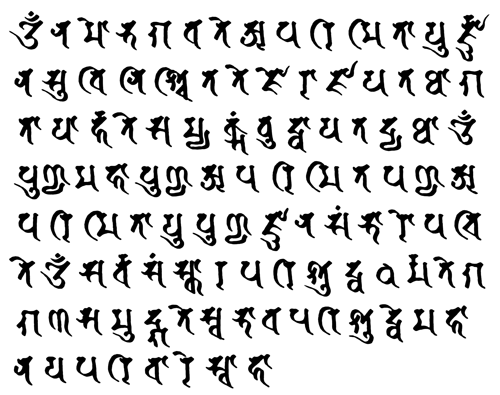
Transliteration
om na mo bha ga va te a pa ri mi tā yu rjñā
na su vi ni ści ta te jo rā jā ya ta thā ga
tā yā rha te sa mya ksaṁ bu ddhā ya ta dya thā oṁ
pu ṇya ma hā pu ṇya a pa ri mi ta pu ṇya a
pa ri mi tā yu pu ṇya jñā na saṁ bhā ro pa ci
te oṁ sa rva saṁ skā ra pa ri śu ddha dha rma te ga
ga ṇa sa mu dga te sva bhā va pa ri śu ddhe ma hā
na ya pa ri vā re svā hā.
namo bhagavate aparimitāyurjñānasuviniścitatejorājāya tathāgatāyārhate samyaksaṁbuddhāya, tadyathā: oṁ puṇyamahāpuṇya aparimitapuṇya aparimitāyupuṇyajñānasaṁbhāropacite, oṁ sarvasaṁskārapariśuddhadharmate gagaṇasamudgate svabhāvapariśuddhe mahānayaparivāre svāhā.
Last updated: 12:09 22/04/2008